The Farm & Farming Year
Life on the farm changes with the seasons, and there’s always something happening if you know where to look. From newborn calves, picking juicy strawberries, to harvest time, enjoy the beauty of farm life all around you as the year unfolds.
The Farming Year in the words of the farmer …
Spring
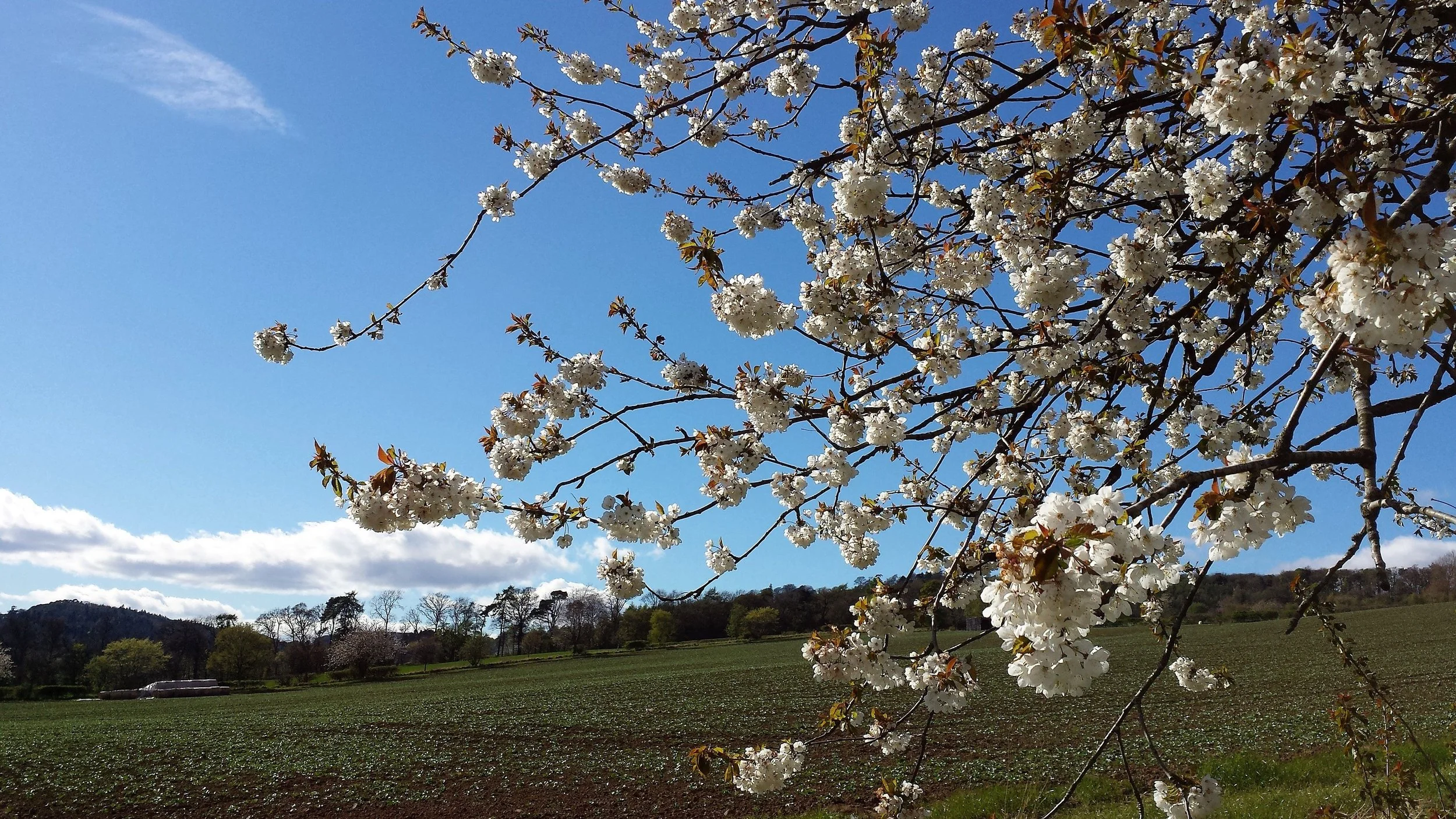
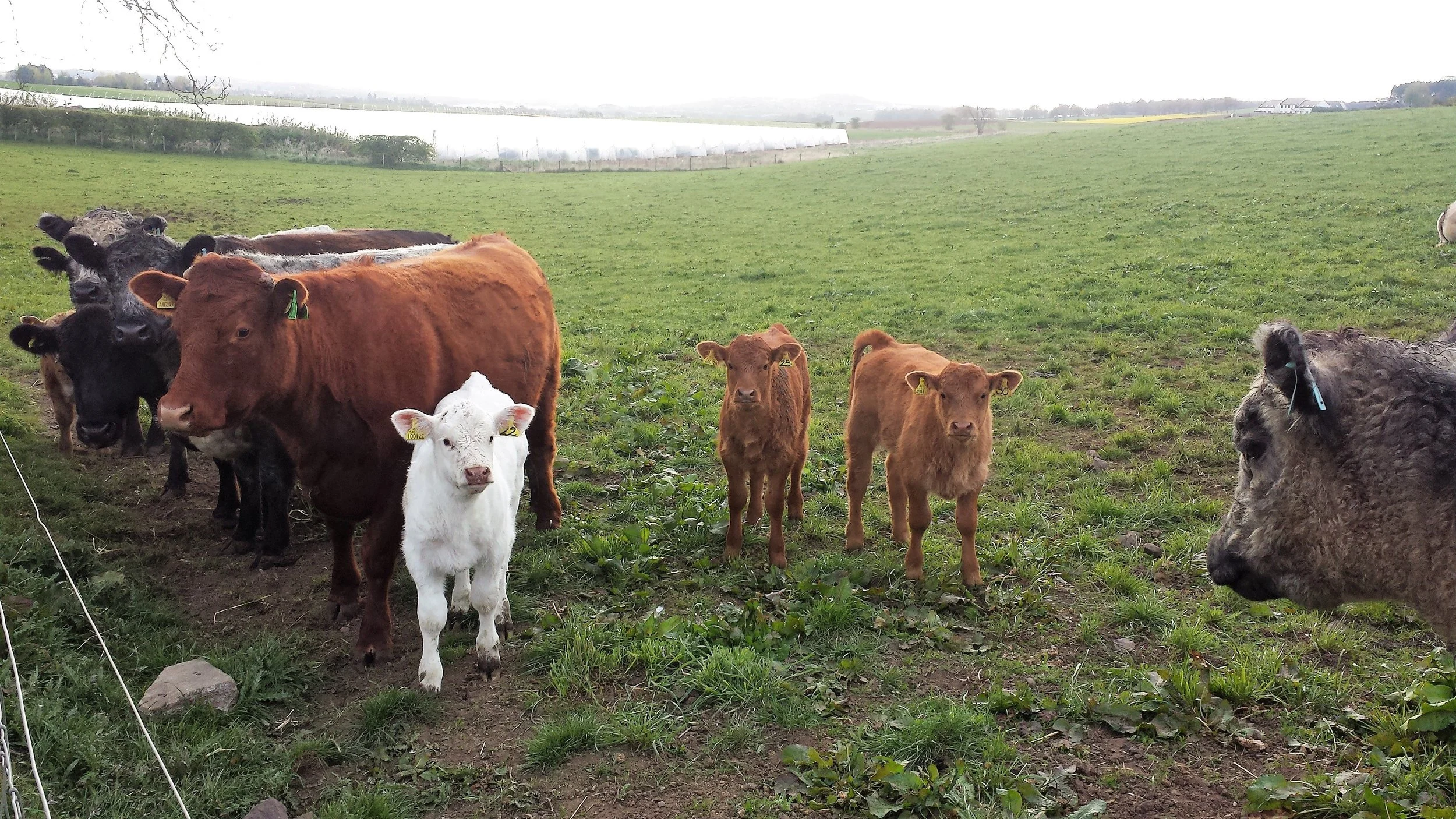
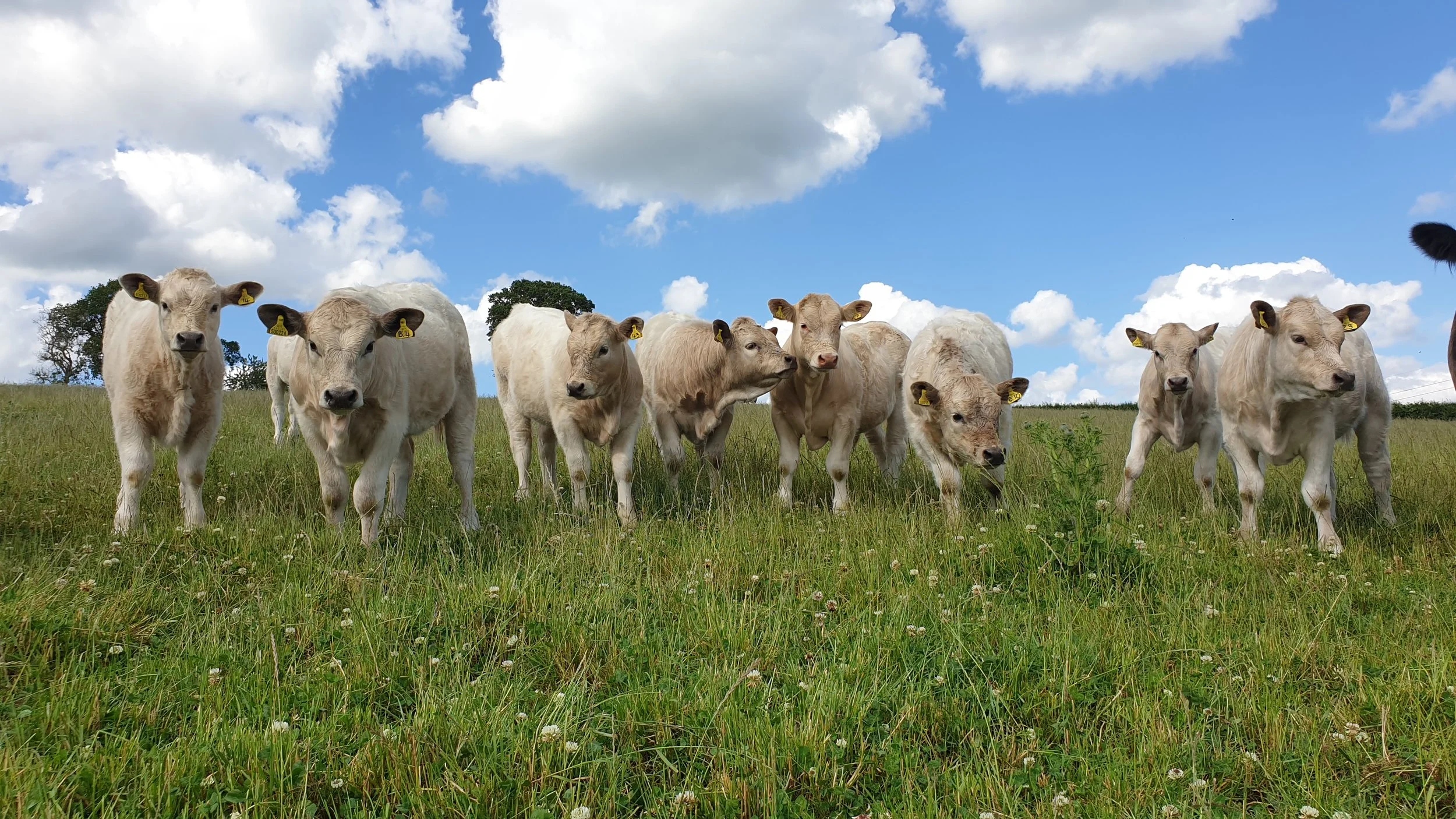
Calving starts in late January, lasting 12 weeks, finishing near the end of March. Each cow and their new calf spend their first 48 hours together in a quiet pen to bond, before going out to grass, with plenty of feeding and silage to help the cow regain condition. Calving is monitored on CCTV (the cow cam!) so that we can keep an eye on them without getting up each hour. The cattle enjoy the change in weather as much as we do and the calves race each other around in the Spring. March is the month we sow our malting barley, some of which we keep for cattle feed, and all straw is kept for bedding and feeding.
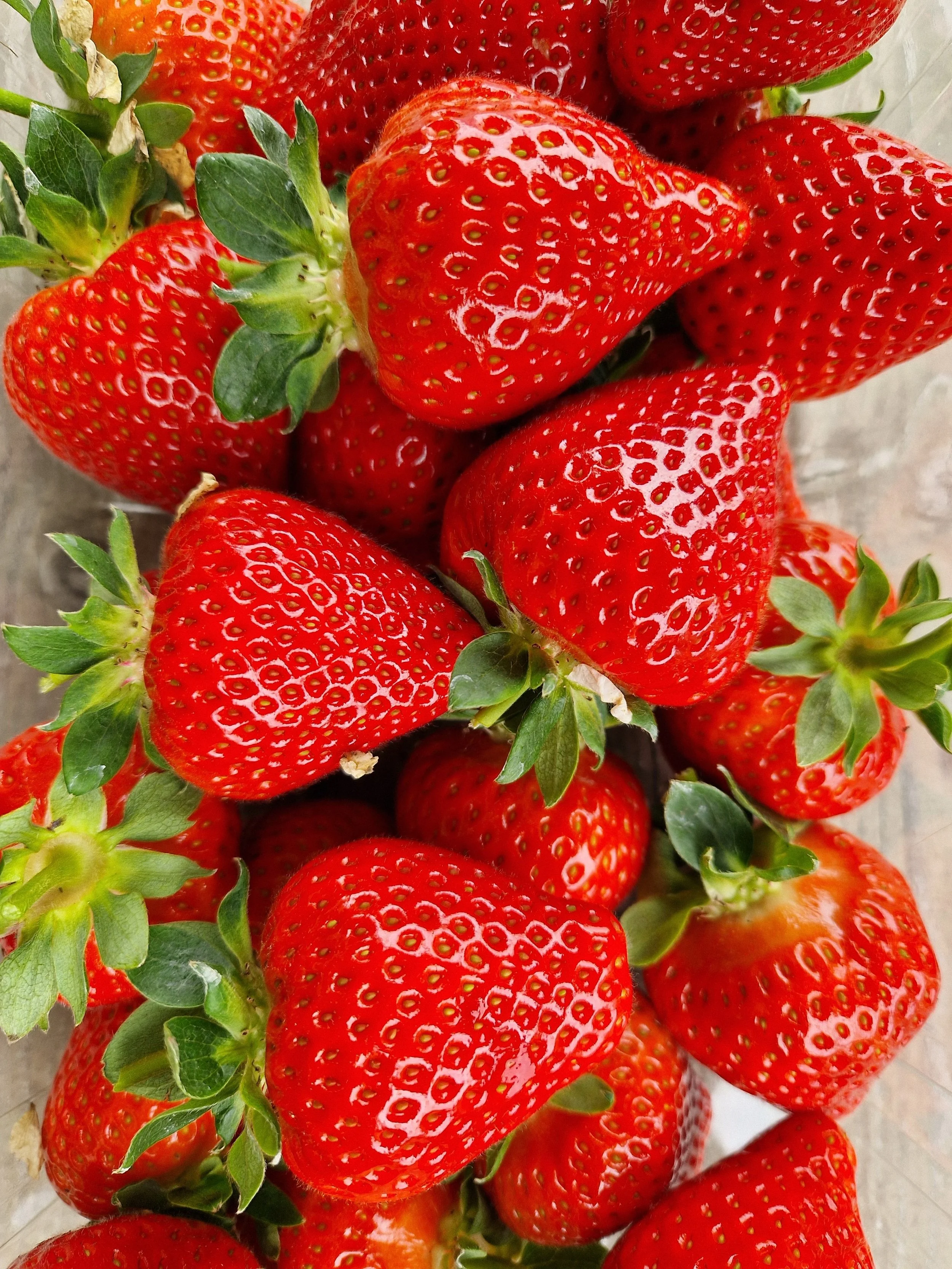
Around 60,000 new growbags are laid into tunnels each February in preparation for planting. Strawberry plants arrive frozen from Holland and after defrosting they are ready to go into the growbags. The nutrition we put into the growbags has a huge impact on plant health. Planting goes on from early March till mid-April, with 5 acres of plants being planted per week. The staggered planting means we get strawberries from the end of April right through to early November.
Summer
The workload around cattle drops as we move from spring into summer, as fresh grass growth means there is less feeding to be done. Summer is all about picking fruit. Picking begins at the end of April, with the volume of fruit starting off low, and builds steadily towards the summer solstice, when long days and strong light produce peak yields. On our biggest days we will pick over 15 tonnes of strawberries, starting at sunrise and finishing at the heat of the day. Plants are carefully monitored throughout the season, with feeding recipes adjusted as they grow, to when they flower and the fruit develops, when they need a high potassium recipe.
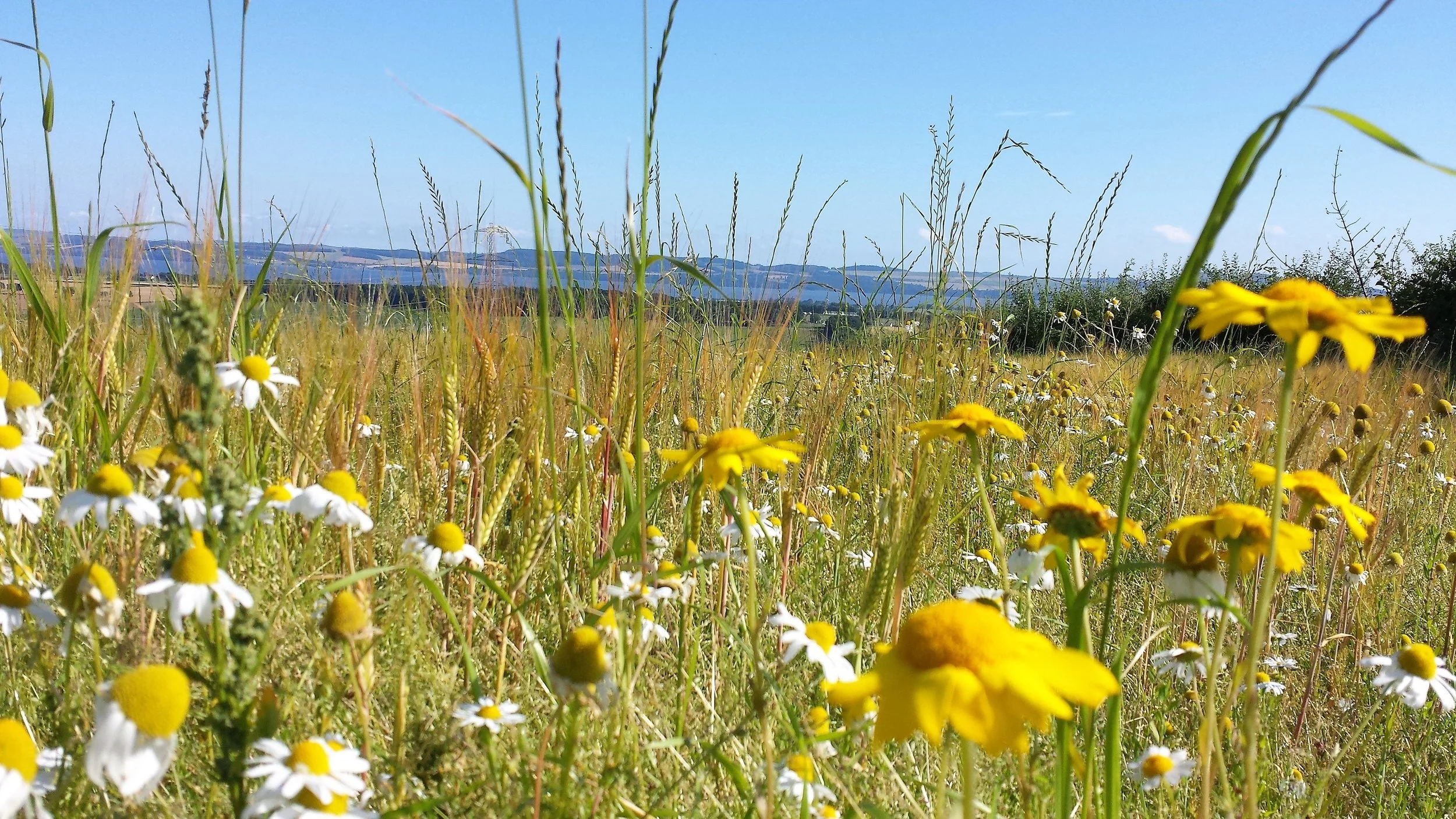
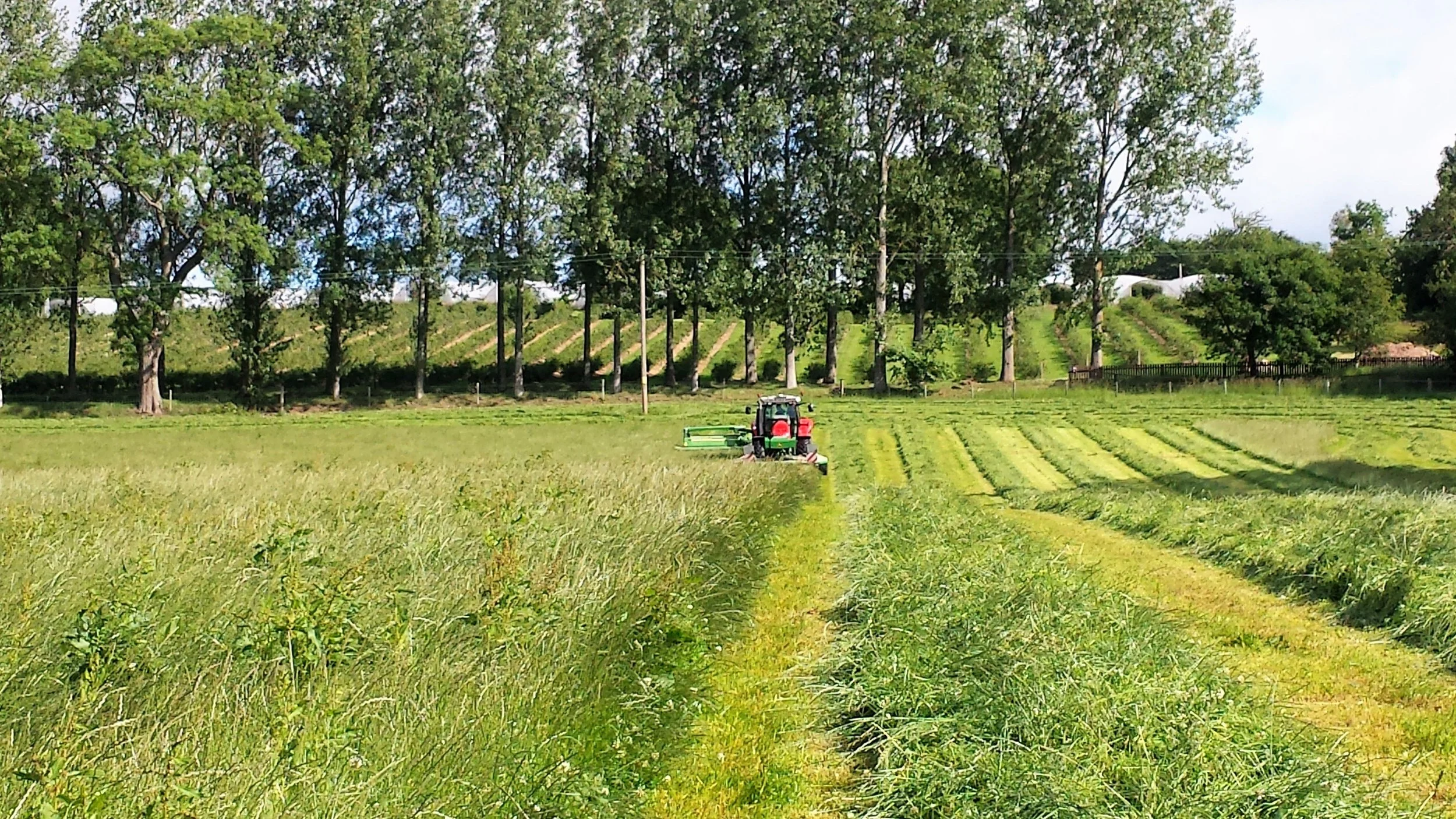
The cattle are shifted regularly around the grass fields and we use high stocking rates. Rapid grass growth means we can close off some fields and turn this excess growth into silage which we then use in the winter. The wheat and barley crops develop rapidly through the summer, flowering and by late July.
Autumn
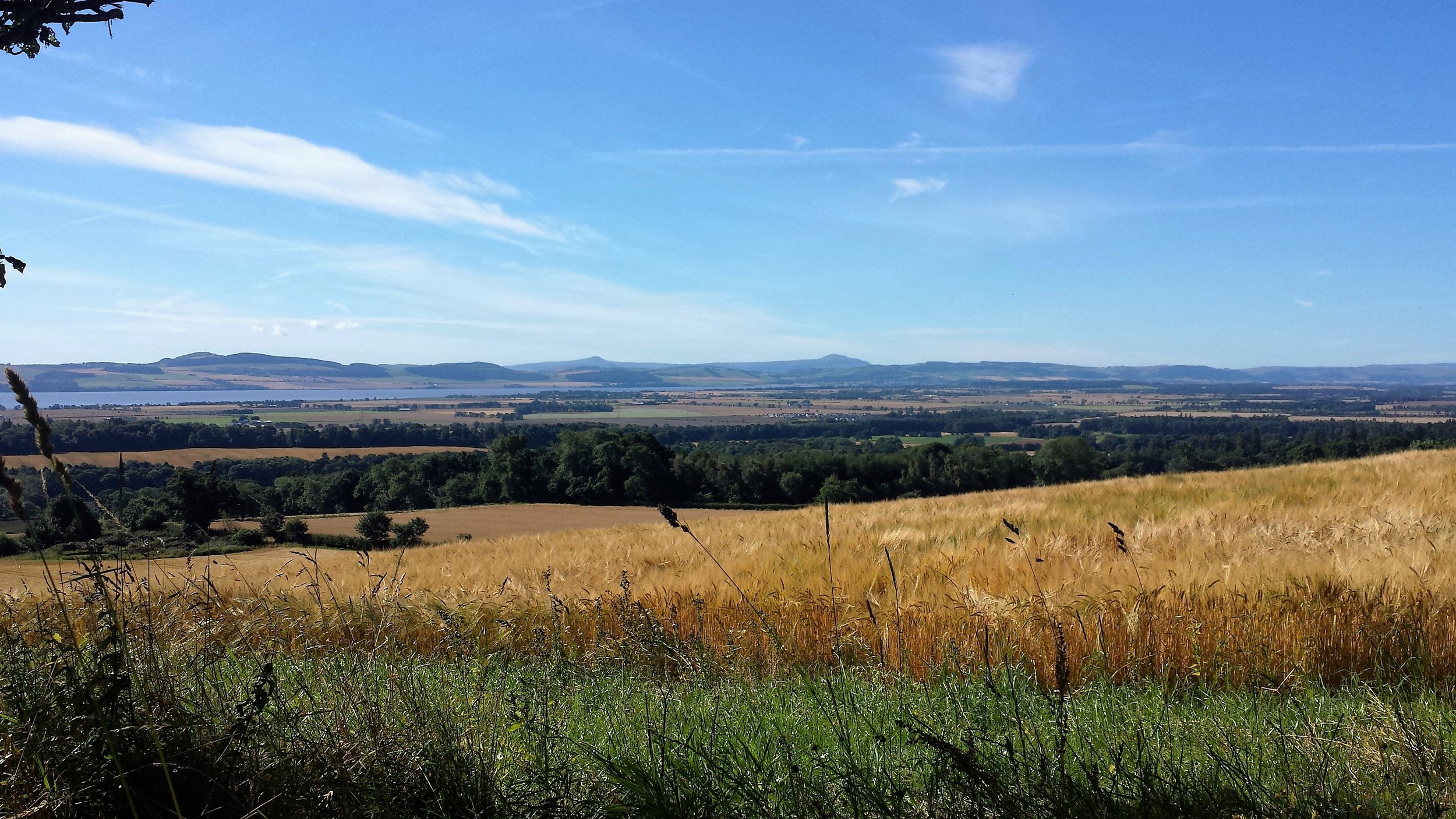
By mid-September, strawberry production drops fast, with 90% of the fruit being picked by the 20th of September. At the end of October we are picking less and less fruit and we start removing growbags out of the tunnels and composting them. At the end of the summer, we harvest our wheat, barley, and bean crops. We also rent land out for potatoes and we grow wheat after both potatoes and bean crop. After barley and wheat we sow cover crops if weather conditions allow, which captures sunlight and stores energy for the crop in the following year.
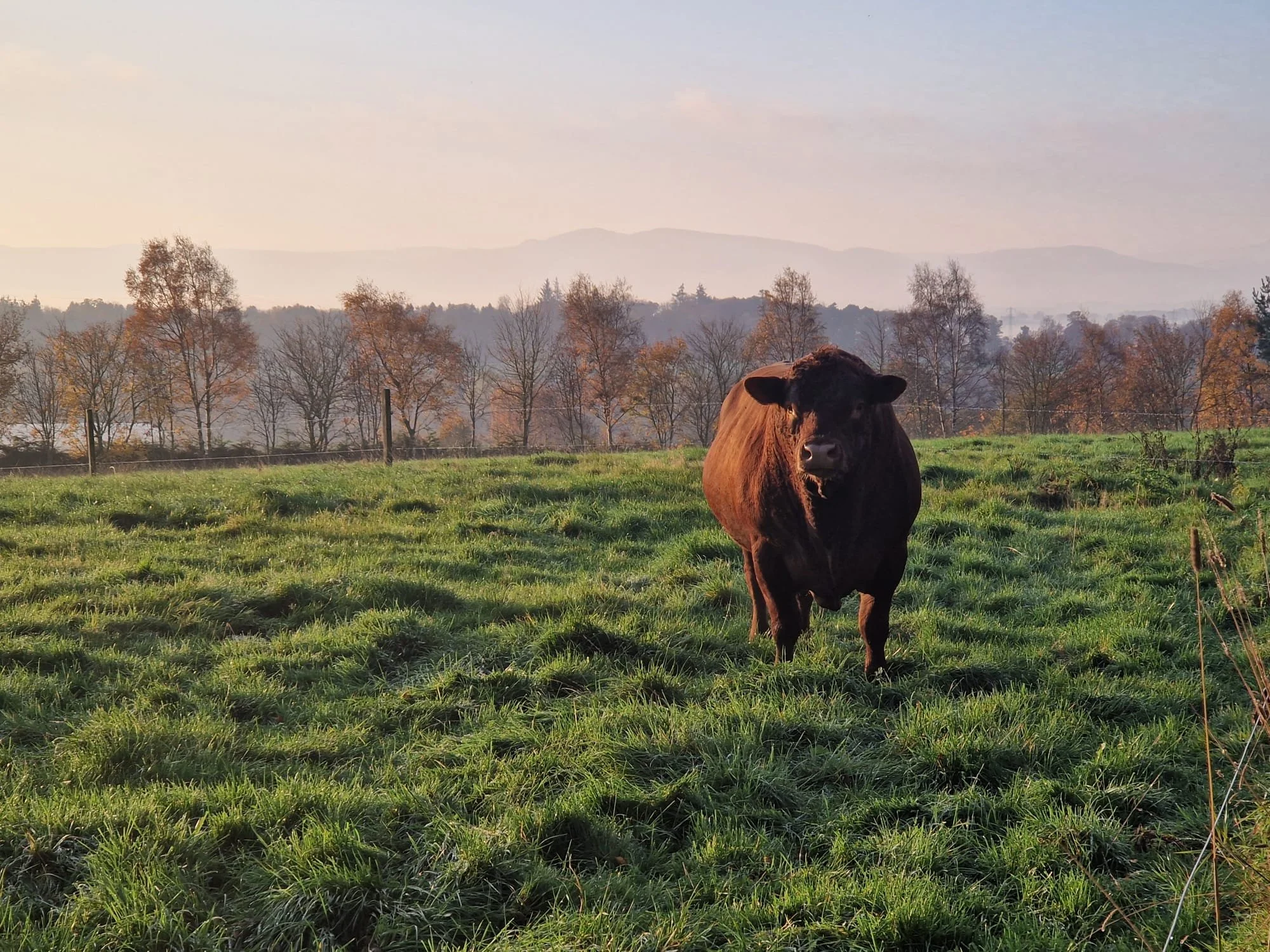
In late October, Angus goes to a blue grey heifer sale in Lockerbie. Blue greys are a cross between a white Shorthorn bull and a Galloway cow - a blue grey cow cannot breed a blue grey cow. They are a hardy breed, and do not grow into very large cows, which is a good thing. Our bulls, Yapper and Wilbur stay outside for the winter to keep them fit, with a couple of old cows each to keep them company.
Winter
In winter, we finish removing all growbags from tunnels, making a compost of them to use on fields. We tidy up the farm as much as we can after the mayhem of summer and autumn. The seasonal workers head home, and as the fruit picking reduces so does the number of people staying on the farm. By the end of November, everyone has left - it is a long season.
In early November the calves will be 7-8 months old and are ready for weaning - we wean them gradually to reduce the stress this causes. The cows graze on the grass until the winter stops grass growth. At that time, we put them into the corral which is a large, sheltered outdoor space which we deep bed with straw to give them a warm place to lie. They are roughly 185 days into a 285 day pregnancy and in late January they come into the sheds for calving. In early January the calves are sold at Stirling market, and the sheds that they vacate are then cleaned before becoming the calving sheds for the cows.
Regenerative Farming
Angus and Nicola made a decision a few years back; our goal is to look after this land. Nature and the land are quite extraordinary to observe and learn from. There are some wonderful people that help us along on our journey.
We are reducing fertiliser and chemical usage, and increasing soil fertility by improving the soil's microbiology. We make our own composts, brew our own compost tea and apply it to the land, and have an ongoing trial of growing some strawberries without the use of any chemical fungicides. Instead we add beneficial microbes to the soil, introduce mycorrhiza to the plant to fight disease, spray the plants with natural bacillus which protects the leaves, and introduce beneficial insects to reduce pests with the hope that all our plants will be grown like this in the future.
We buy seed that is treated with natural products including wood smoke vinegar which inhibits soil pathogens and acts as a growth stimulant, and trichoderma - a ubiquitous soil fungi which acts as a natural fungicide and stimulates plant root development.
We use the dung cleared from cattle sheds and add beneficial anaerobic microbes (BAM) which is brewed on the farm. These microbes break down the organic matter and reduce the odour, because they can minimise the production of strong smelling compounds like hydrogen sulfide during composting. They also suppress pathogens by outcompeting them. The BAM, as they are called also stabilise nutrients, making them ready for the plants to use in a natural form.